Moving
Florida Security Deposit Rules for Renters (Fla. Stat. 83.49) and Rental Scam Red Flags
Florida's security deposit timelines explained: 15 days to return a deposit, 30 days to send a claim notice, 15 days to object. Plus rental scam red flags and move-in tips.
On this page
- The timelines after you move out
- Where your deposit is held
- Before you sign: questions to ask
- Protect your deposit at move-in
- Protect your deposit at move-out
- Rental scam red flags
- Condo and HOA approval
- Budgeting for deposits
- Military renters
- If there's a dispute
- Moving to South Florida?
- Keep a simple deposit record
- Normal wear and tear
A security deposit is often one of the biggest move-in costs, and getting it back depends on knowing the rules and keeping good records. Florida's deposit rules are set by section 83.49 of the Florida Statutes. This guide summarizes the main timelines, gives practical move-in and move-out tips, and lists rental scam red flags. It's general information, not legal advice; read the statute at flsenate.gov.
The timelines after you move out
Under Fla. Stat. 83.49, after your lease ends and you move out:
- 15 days: if the landlord is not making a claim against the deposit, they have 15 days to return it.
- 30 days: if the landlord intends to make a claim, they have 30 days to send written notice (by certified mail, or by email if you agreed to that), stating the reason.
- 15 days to object: once you receive a claim notice, you have 15 days after receiving it to object in writing.
Always give your landlord your forwarding address in writing. Notices go to the address you provide.
Where your deposit is held
Florida law requires most landlords to tell you in writing how and where your deposit is being held. Ask about this before you sign and keep the notice with your lease.
Before you sign: questions to ask
- What's the total move-in cost: first month, deposit, pet fees, association fees?
- Where will the deposit be held?
- Is renters insurance required, and with what liability limit?
- What are the early-termination terms?
- How much notice is needed for renewal or move-out?
- Who handles after-hours repairs?
- Is there a move-in condition checklist we both sign?
- Has the unit flooded? (Florida landlords must provide a flood disclosure under Fla. Stat. 83.512.)
Protect your deposit at move-in
- Photograph and video everything on move-in day: walls, floors, appliances, fixtures, inside cabinets, and any damage. Narrate the date.
- Complete a written condition checklist and have both parties sign it. Keep a copy.
- Report problems in writing quickly and keep copies.
- Test everything: faucets, toilets, A/C, appliances, smoke alarms.
Protect your deposit at move-out
- Clean thoroughly and repeat the photo and video walk-through.
- Return all keys and get a receipt if possible.
- Give your forwarding address in writing.
- Note the date you moved out and watch the 15- and 30-day timelines.
- If you receive a claim notice you disagree with, object in writing within 15 days and keep proof of delivery.
Rental scam red flags
Rental scams are common in popular markets. Watch for:
- The "owner" can't show you the inside, or is suddenly "out of the country."
- You're asked to pay by wire, gift card, crypto, or payment app before seeing a lease.
- The rent is far below similar listings nearby.
- Pressure to decide today before someone else "grabs it."
- The same photos appear on another site under a different name or price.
- No written lease, or a lease that doesn't name the actual owner or manager.
Check who owns the property. County property appraiser websites show property ownership. If the owner's name doesn't match the person or company renting it, stop and ask questions. The Federal Trade Commission has more on rental listing scams at consumer.ftc.gov.
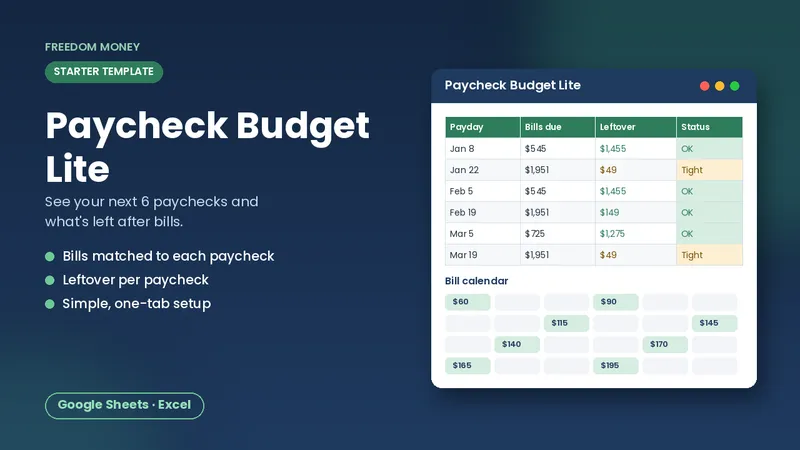
Free: Paycheck Budget Lite
A simple starter spreadsheet for Google Sheets or Excel. List your take-home pay and bills and see what each paycheck has left. Free, instant download.
Download the free templateCondo and HOA approval
Many condo and HOA associations in Florida require their own application and approval before you can move in. Ask how long approval takes and what it costs, and don't book movers until you're approved.
Budgeting for deposits
Deposits are money you may get back, but you need it upfront, often at the same time as first month's rent, utility deposits, and moving costs. A few tips:
- Track each deposit separately (rent, pet, utilities) with the amount and date paid.
- Save for move-in costs as a savings goal with a deadline.
- If you're paid biweekly, map these costs to specific paychecks so they don't collide; see how to budget biweekly paychecks.
- When a deposit comes back, give it a job right away, like refilling your emergency fund.
Military renters
Active-duty service members have special federal and Florida protections for ending a lease after receiving orders. Ask your installation's legal assistance office before you sign.
If there's a dispute
If you can't resolve a deposit dispute with the landlord, local legal aid organizations and small claims court are common next steps. The Florida Bar and local legal aid groups offer information for tenants.
Moving to South Florida?
The South Florida Family Move Kit includes a full renting chapter: HUD rent benchmarks for all three counties, lease questions specific to South Florida, who opens the water account in each city, and deposit and scam guidance. See also our moving with kids checklist.
General information, not legal advice. Read Fla. Stat. 83.49 and consult a qualified professional for your situation.
Keep a simple deposit record
Make a one-page record the day you sign: the deposit amount, date paid, how you paid, where the landlord says it's held, and the landlord's mailing and email addresses. Add your move-in photos' location (for example, a cloud folder name). When you move out, add the date you returned the keys and the date you sent your forwarding address. If there's ever a question about timelines, you'll have every date in one place.
Normal wear and tear
Landlords generally can't charge your deposit for ordinary wear from normal living, like minor scuffs or carpet wear over time, but they can claim for damage beyond that. The line between the two is often where disputes start, which is why dated move-in and move-out photos are so valuable. If a claim notice lists something you believe was already there when you moved in, your move-in photos and the signed condition checklist are your strongest evidence when you object in writing.
Frequently asked questions
How long does a Florida landlord have to return a security deposit?
15 days if they are not making a claim; 30 days to send written notice if they are, under Fla. Stat. 83.49.
How long do I have to dispute a deposit claim in Florida?
15 days after receiving the landlord's written claim notice, in writing.
What are signs of a rental scam?
Requests for wire, gift card, or crypto payment before a lease, rent far below market, pressure to decide today, and an owner who can't show the inside.
This guide is general educational information, not financial, tax, legal, or insurance advice. Examples are illustrations, not predictions. See our disclaimer.