Moving
Florida Flood Insurance for Renters: What It Covers and Why Timing Matters
Renters insurance doesn't cover flood. Learn how renters in Florida can get flood contents coverage, the 30-day NFIP waiting period, landlord flood disclosures, and Citizens' 2027 rule.
On this page
- The key fact: renters insurance usually excludes flood
- Renters can buy flood coverage
- Timing: the 30-day waiting period
- Check the flood zone, but don't stop there
- Your landlord must disclose known flood history
- Citizens Property Insurance and flood (2026–2027)
- Questions to ask an insurance agent
- What flood contents coverage generally covers
- Before a storm
- After a flood
- Budgeting for flood coverage
- Also keep a hurricane cushion
- Moving to South Florida?
- A renter's flood checklist for move-in week
- Ground-floor and first-floor rentals
Many renters assume their landlord's insurance or their renters policy covers flood damage. In most cases, neither covers your belongings in a flood. In a low-lying, storm-prone state like Florida, that's worth understanding before hurricane season, not during it. This guide summarizes official information from FEMA, Florida law, and Citizens Property Insurance. It's general information, not insurance advice.
The key fact: renters insurance usually excludes flood
A standard renters policy typically covers your belongings and liability, and often temporary living costs if the home becomes unlivable. It generally does not cover flood. Your landlord's policy covers the building, not your furniture, clothes, or electronics.
Renters can buy flood coverage
FEMA's National Flood Insurance Program (NFIP) offers contents coverage for renters, sold through insurance agents. Private flood insurers also sell policies. Ask for a flood quote at the same time as your renters quote. Learn more at floodsmart.gov.
Timing: the 30-day waiting period
NFIP flood policies typically have a 30-day waiting period before coverage begins, with some exceptions (for example, when a policy is required for a mortgage). Private insurers set their own waiting periods. Because of this, buying flood insurance when a storm appears in the forecast is usually too late. Make it part of your move-in checklist.
Check the flood zone, but don't stop there
Look up any address on FEMA's Flood Map Service Center at msc.fema.gov. Higher-risk areas are called Special Flood Hazard Areas. But flooding happens outside them too, especially from heavy rain. Being in a lower-risk zone doesn't mean no risk; it usually means lower premiums.
Flood zone vs. evacuation zone: your evacuation zone (look it up at floridadisaster.org/knowyourzone) is about storm surge and when to leave. Your flood zone is about flood risk and insurance. Check both.
Your landlord must disclose known flood history
Florida law (Fla. Stat. 83.512) requires landlords to give tenants a flood disclosure at or before signing a residential lease. It must state whether the landlord knows of past flood damage to the unit, flood insurance claims, or federal flood assistance. Read it carefully and keep a copy.
Citizens Property Insurance and flood (2026–2027)
Citizens is Florida's state-created insurer. Under state law, its policies with wind coverage must also carry flood coverage on a phased schedule:
- From January 1, 2026, for dwellings with a replacement cost of $400,000 or more
- From January 1, 2027, for all wind policies, including tenant (renters) policies
Condo unit-owner policies are exempt under Florida law. If you have or are considering a Citizens renters policy, ask what flood coverage will be required. Source: citizensfla.com.
Questions to ask an insurance agent
- Personal property: replacement cost or actual cash value?
- Liability limit (does the lease or association require one?)
- Loss of use / additional living expenses
- Hurricane deductible
- Flood contents coverage: price and waiting period
- With Citizens: what flood coverage is required from 2027?
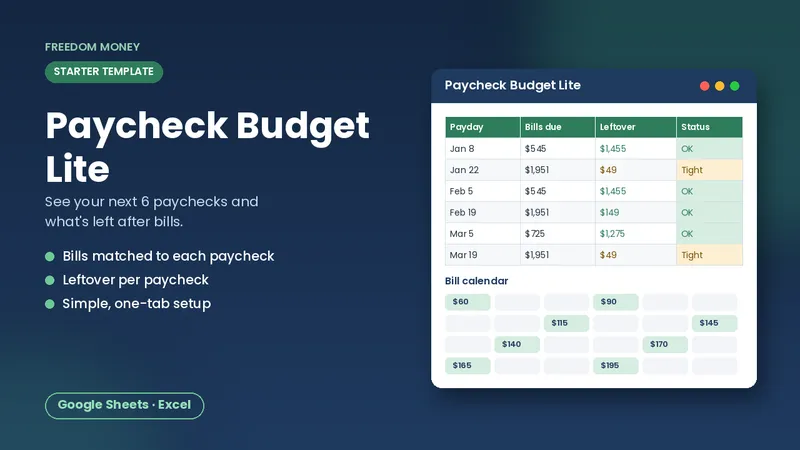
Free: Paycheck Budget Lite
A simple starter spreadsheet for Google Sheets or Excel. List your take-home pay and bills and see what each paycheck has left. Free, instant download.
Download the free templateWhat flood contents coverage generally covers
NFIP contents coverage is designed for personal belongings like furniture, clothing, and electronics, with limits and exclusions. Some items in basements or below the lowest elevated floor may have limited coverage. Read the policy summary and ask your agent about anything you're unsure of. FloodSmart has plain-language explanations of what's covered.
Before a storm
- Photograph and video your belongings, room by room.
- Store documents in a waterproof bag.
- Keep insurance policy numbers and agent contacts in your phone and on paper.
- Move valuables off the floor if flooding is forecast.
After a flood
- Stay safe and out of floodwater.
- Photograph all damage before cleaning up and keep receipts.
- Report the claim promptly. Renters and flood are separate claims with separate insurers if you have both.
- Be wary of contractors demanding large upfront payments; check licenses at myfloridalicense.com.
Budgeting for flood coverage
Premiums vary too much by address and building to give an honest average. Get quotes and add the cost to your budget as a monthly or yearly bill. If it's billed yearly, divide the premium by 26 and save that amount each biweekly paycheck as a sinking fund. See how much to save per paycheck.
Also keep a hurricane cushion
Deductibles, a hotel night or two during an evacuation, and storm supplies add up. A small emergency fund helps. Many disaster-preparedness items are permanently sales-tax-exempt in Florida since August 1, 2025 (Florida Department of Revenue, TIP 25A01-05).
Moving to South Florida?
The South Florida Family Move Kit has a full chapter on hurricanes, flood, and insurance, with checklists for renters and buyers. See also our moving with kids checklist.
General information, not insurance or legal advice. Confirm details with a licensed agent and official sources.
A renter's flood checklist for move-in week
- Look up the FEMA flood zone and the evacuation zone for your address.
- Read the landlord's flood disclosure and keep a copy with your lease.
- Get a renters quote and a flood contents quote at the same time.
- Note the flood policy's start date, accounting for any waiting period.
- Photograph your belongings and save the files in the cloud.
- Add the premiums to your budget as monthly bills or a sinking fund.
- Save your agent's phone number and policy numbers on paper and in your phone.
Doing all of this during your first week means you're covered well before the busiest months of hurricane season.
Ground-floor and first-floor rentals
If you're renting a ground-floor unit, a single-story home, or a place with a garage or storage area at ground level, think about which of your belongings would be at risk if water came in. Keep important documents, electronics, and irreplaceable items off the floor and, where possible, on higher shelves year-round. Ask the landlord how the property drained during past heavy rains. These steps don't replace insurance, but they can reduce what you lose and make any claim simpler.
Frequently asked questions
Does renters insurance cover flooding in Florida?
Standard renters policies generally exclude flood. Renters can buy separate flood contents coverage through the NFIP or private insurers.
How long is the flood insurance waiting period?
NFIP policies typically have a 30-day waiting period, with some exceptions. Private insurers set their own.
Do Citizens renters policies need flood coverage?
Under Florida law, Citizens wind policies, including tenant policies, must carry flood coverage starting January 1, 2027.
This guide is general educational information, not financial, tax, legal, or insurance advice. Examples are illustrations, not predictions. See our disclaimer.